Fast Company: Planted Raises $31.8M to Build Solar Farms with Robots and Less Land


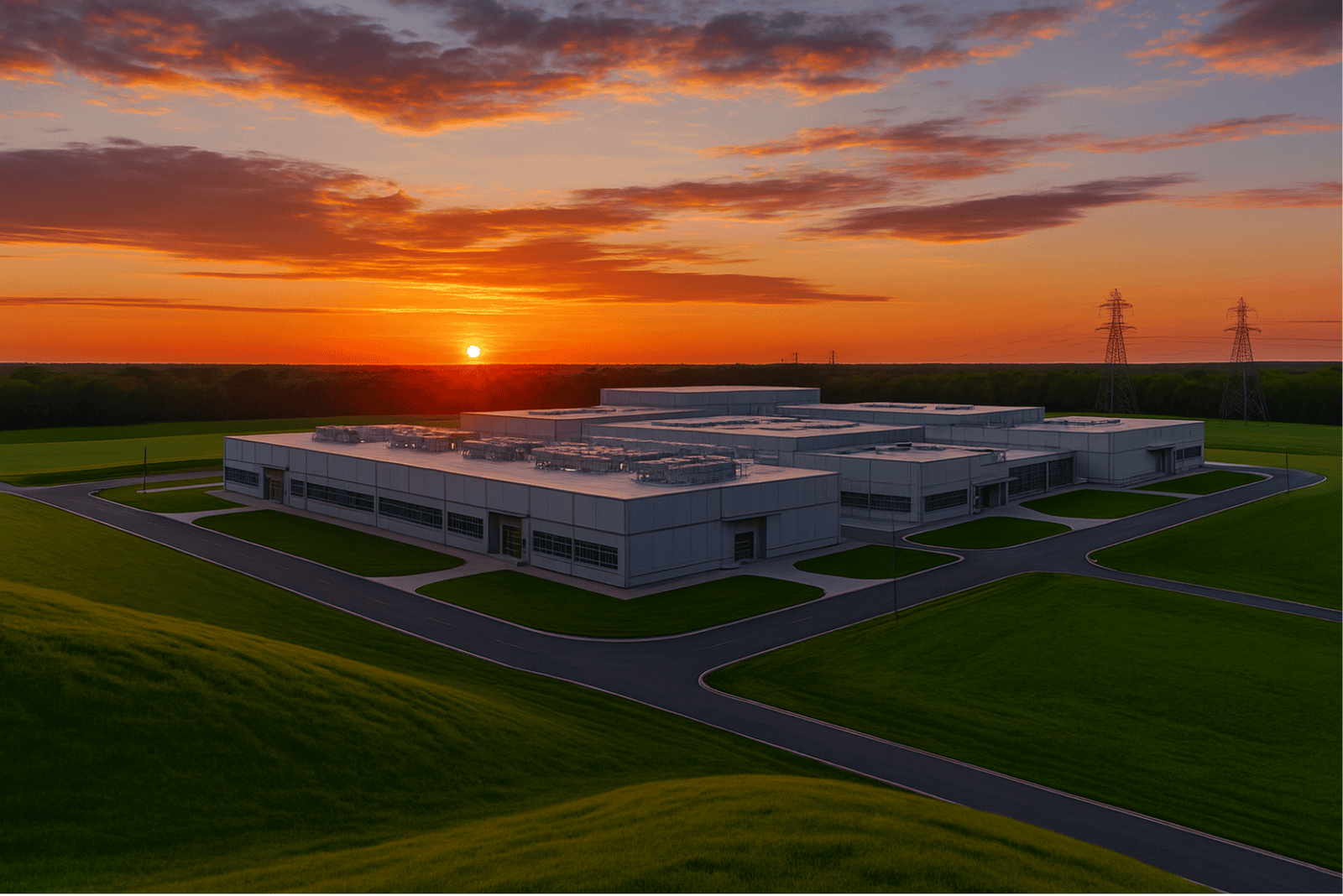
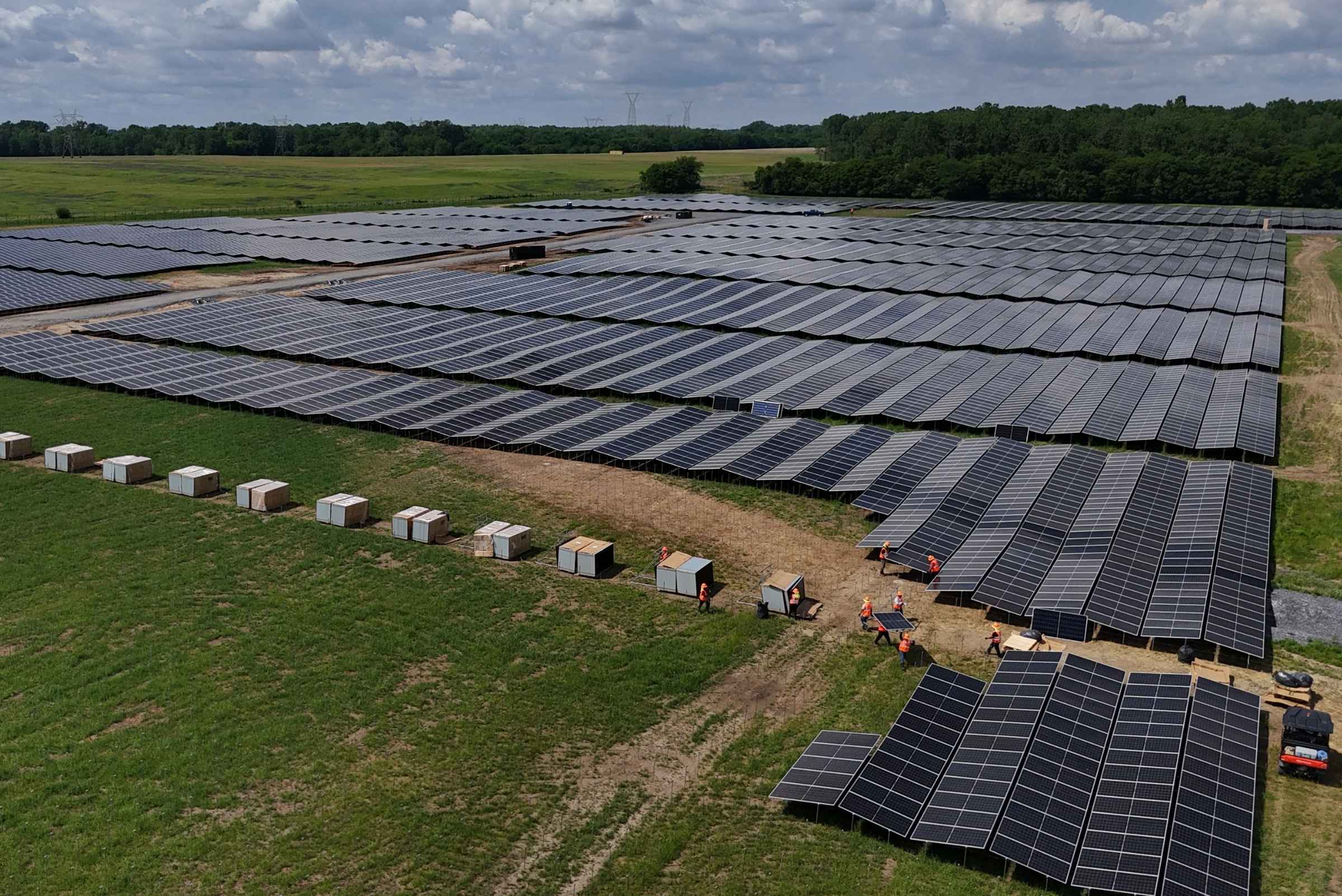
Solar farms have a land problem. When a new project was planned in a St. Louis suburb, the county zoning board rejected the design, arguing that it took up too much space and sat too close to a neighboring subdivision. The developer then turned to a startup called Planted to rethink the plan using a digital twin and robots. The result: The project used 40% less land to produce the same amount of power, allowing it to move forward.
At a time when energy demand is surging, but solar projects often face roadblocks and long delays, Planted has a new way to speed up deployment. The company announced today that it has raised $31.8 million to scale up, with Piva Capital and RA Capital Management Planetary Health leading the round and participation from Google, Breakthrough Energy Ventures, Gigascale Capital, and Khosla Ventures.
“I started out months ago trying to answer a very simple question, which is, if solar panels are so cheap, why is utility-grade solar so expensive to install?” says Mike Schroepfer, founding partner of Gigascale Capital and former CTO at Meta. One problem, he says, is that we’re still building solar farms the way we did when panels were much more expensive. Now that permitting, land prices, and public support are bigger challenges, it makes sense to handle installation differently. Planted’s approach rethinks how solar projects are built.
A typical solar farm uses long racks to hold rows of panels that move to track the sun throughout the day, squeezing the maximum amount of power out of each panel. But the design requires flattening the land to accommodate the racks, adding time and expense. The hilliest parts of a site might not be used at all.
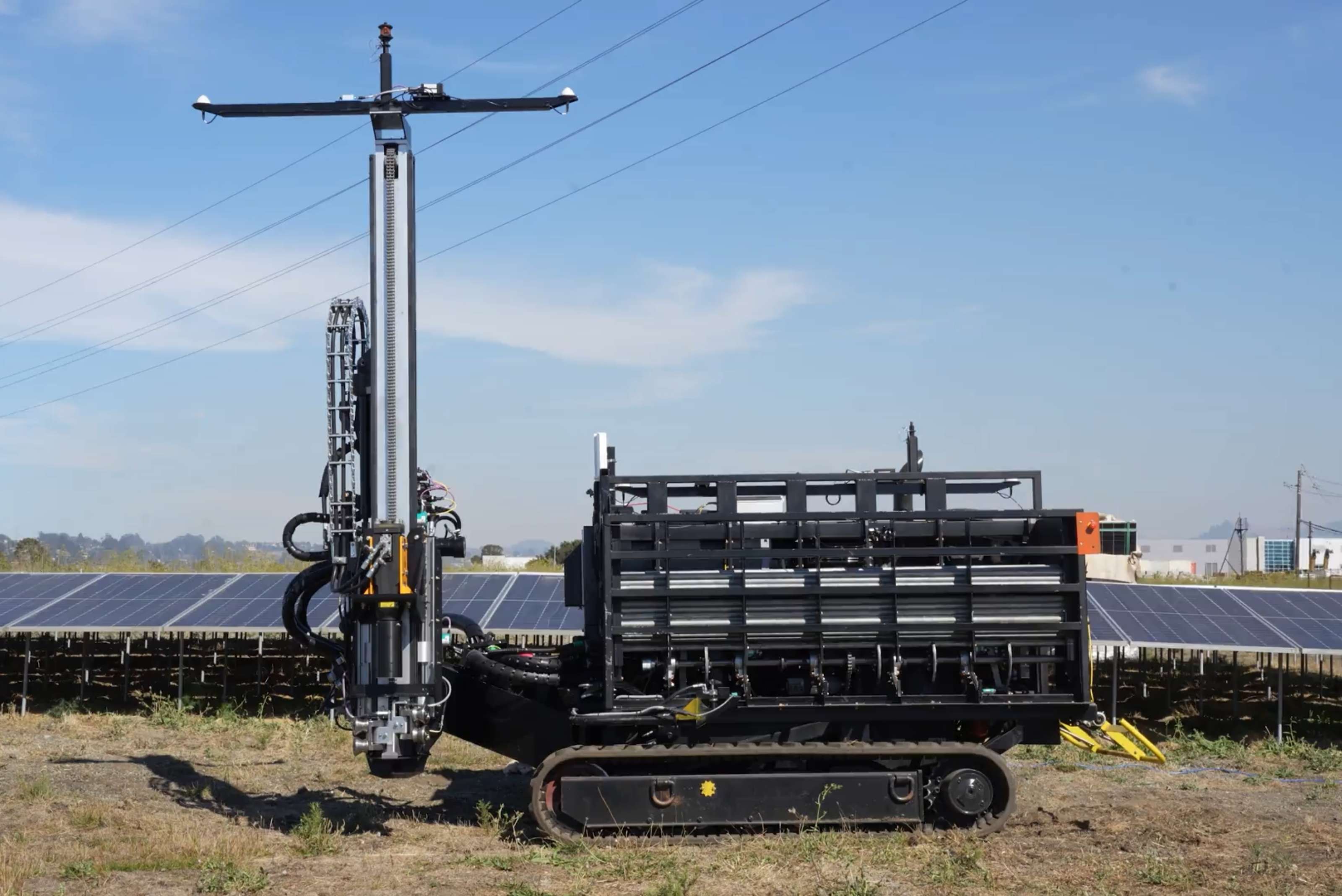
Instead, Planted uses a separate post for each panel, so it can follow the natural terrain without changes. First, the company uses software to build a digital twin—a live virtual model—of the site and plan where each post should go. Then, it uses robots to precisely place each post, pulling them from a compartment that the startup compares to a giant toothpick dispenser. A custom bracket on top makes it possible to snap on a solar panel like putting together a Lego set.
The level of precision needed for each post would be difficult to achieve manually. “Placing thousands of foundations precisely is exactly the kind of work that’s slow and error prone for crews,” says Eric Brown, Planted’s CEO.
By following the bumps and hills of the terrain, Planted can pack in more solar panels and build in places that conventional designs couldn’t use. “We build on slopes up to 27% without grading, so we can use more of each parcel, including the acres a conventional design writes off, which means smaller total footprints,” he says.
Read the full article on Fast Company→
Title - Questions to the client
Lorem ipsum dolor sit amet, consectetur adipiscing elit, sed do eiusmod tempor incididunt ut labore et dolore magna aliqua. Ut enim ad minim veniam